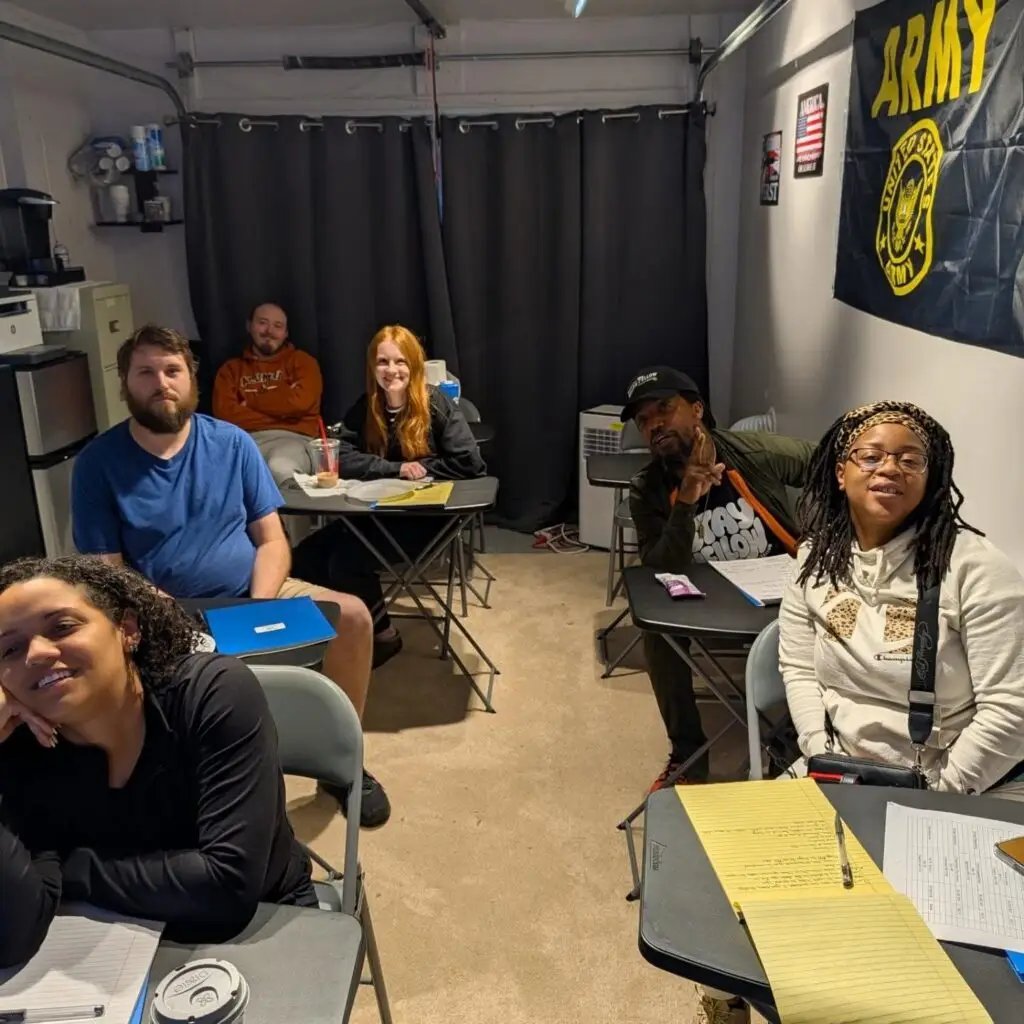
At Tri-State Training, LLC, our firearm instruction rules ensure that every student develops solid marksmanship fundamentals in a safe, professional environment. Whether you are attending your first basic handgun course or refining advanced tactical maneuvers in Martinsburg, West Virginia, these core principles guide all live-fire and classroom sessions.
Core Firearm Instruction Rules and Safety Guidelines
- Safety First
We strictly enforce the four cardinal rules of gun safety. Always treat every firearm as if it is loaded. Additionally, keep the muzzle pointed in a safe direction at all times, keep your finger off the trigger until you are ready to shoot, and remain fully aware of your target and what lies beyond it.
2. Introduction to Firearms
Our courses provide a comprehensive introduction to different types of handguns, rifles, and shotguns. Therefore, students learn basic components, essential terminology, and mechanical functionalities before moving to live-fire exercises.
3. Handling and Grip
Instructors demonstrate proper physical handling techniques, including how to pick up, hold, and carry a firearm safely. Furthermore, we teach correct gripping methods to ensure maximum recoil control and shot accuracy.
4. Stance and Posture
We instruct students on building a proper shooting stance for stability and recoil management. Consequently, maintaining a consistent posture allows shooters to improve accuracy and follow-up shot speed.
5. Aiming and Sight Alignment
Students learn how to establish proper sight alignment and sight picture. In addition to traditional iron sights, our training covers modern red dot optics effectively.
6. Trigger Control
We demonstrate proper trigger finger placement, slack removal, and reset techniques. Emphasizing a smooth, deliberate, straight-back trigger press helps avoid disturbing sight alignment during fire.
7. Breathing and Follow-Through
Our firearm instruction rules emphasize natural respiratory pause management to minimize body movement. Additionally, we reinforce effective follow-through by holding the trigger back through recoil and tracking sights.
8. Loading and Unloading
Instructors provide clear, step-by-step guidance on administrative loading, magazine changes, and reloading protocols. We enforce physical and visual chamber checks to verify a firearm’s status at all times.
9. Malfunctions and Clearing Procedures
Students learn how to quickly identify and clear common stoppages, including failure to feed, eject, or extract (double feeds). Above all, we stress strict muzzle awareness and trigger discipline while diagnosing malfunctions.
10. Range Rules and Etiquette
We review range-specific commands, emergency protocols, hot/cold range procedures, and line safety rules. Active situational awareness and professional courtesy are mandatory on all live-fire ranges. For additional state range rules, students can review the West Virginia DNR Public Shooting Range Regulations.
11. Shooting Drills and Exercises
Our team organizes progressive shooting exercises to safely build speed and precision. Instructors provide real-time coaching and corrective feedback throughout each drill.
12. Legal and Ethical Considerations
We discuss relevant state and federal laws, legal responsibilities, and post-incident consequences of firearm use. Consequently, we emphasize sound judgment and ethical decision-making in defensive scenarios.
13. Maintenance and Storage
Students receive instruction on field stripping, proper cleaning methods, inspection, and routine maintenance. Furthermore, we cover secure storage solutions, such as quick-access safes and lockboxes, to prevent unauthorized access.
14. Review and Assessment
We conduct comprehensive reviews of core safety concepts, mechanical operation, and shooting techniques. Instructors evaluate individual performance and offer tailored feedback for growth.
15. Continued Learning
We encourage ongoing dry-fire practice, regular live-fire routines, and participation in advanced courses. Therefore, Tri-State Training provides recommended educational resources and guidance for long-term skill development.
Ready to Train Safely on the Range?
These core guidelines ensure an engaging, highly effective, and safety-focused learning environment for shooters of all experience levels.
Contact us today to reserve your spot in an upcoming class!